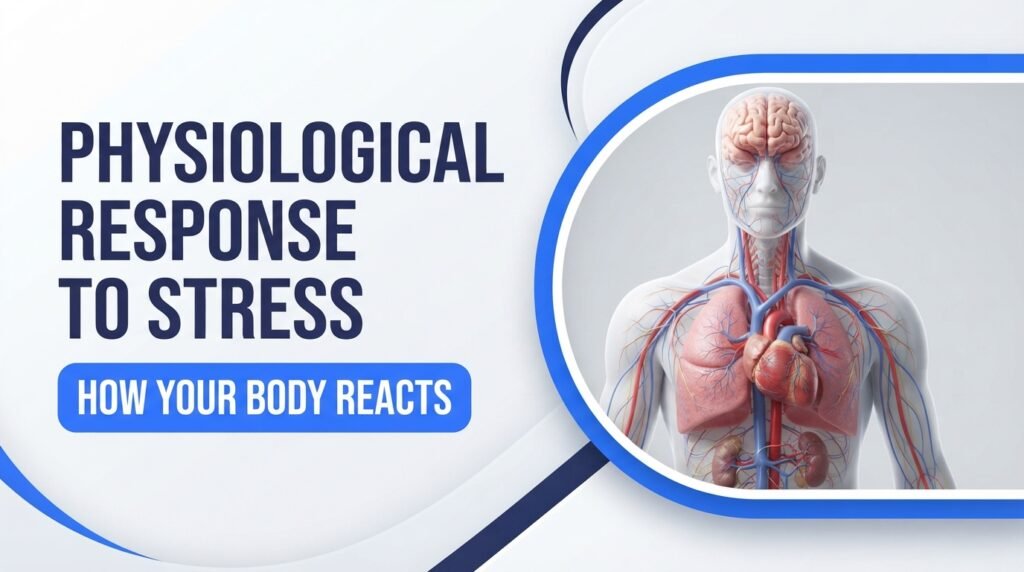
Stress is a natural reaction to situations that feel difficult, dangerous, or demanding. When you face a stressful event, your body makes several quick changes to prepare you to respond. Your heart may beat faster, your breathing may become quicker, and your muscles may feel tense.
This process is called the physiological response to stress. It involves your brain, nervous system, hormones, heart, lungs, and other body systems. These changes help you react to challenges, but repeated or long-lasting stress can affect your health.
In this article, we explain how the body responds to stress, which hormones are involved, what happens to different organs, and how you can help your body recover.
What Is the Physiological Response to Stress?
The physiological response to stress is the set of physical changes that happen in your body when you face a real or perceived threat or challenge. These changes help your body prepare to deal with the situation.
Your brain detects a possible threat and sends signals through the autonomic nervous system and the endocrine system. These systems control automatic body functions and release hormones that affect your organs.
For example, if a car suddenly approaches you while you are crossing a street, your body may react before you have time to think. Your heart beats faster, your muscles become ready to move, and your attention shifts to the danger.
This automatic reaction is commonly called the fight-or-flight response.
The stress response is useful for short-term challenges. However, if your body stays in this alert state for too long, it can affect sleep, digestion, mood, and other parts of your health.
Example 1:
A student notices that their final exam is about to begin. Their heart starts beating faster, their palms become sweaty, and they feel more alert.
These physical changes are part of the stress response. The body is preparing the student to handle a situation that feels demanding.
How Does the Body Respond to Stress?
The body uses two main systems to manage the stress response:
- The sympathetic nervous system, which creates a fast response.
- The hypothalamic-pituitary-adrenal (HPA) axis, which controls a slower hormonal response.
Both systems work together to prepare your body for a challenge.
1. The Brain Detects a Threat
The process begins when your brain notices something that may be stressful. This could be a physical danger, an argument, an important exam, or a difficult work situation.
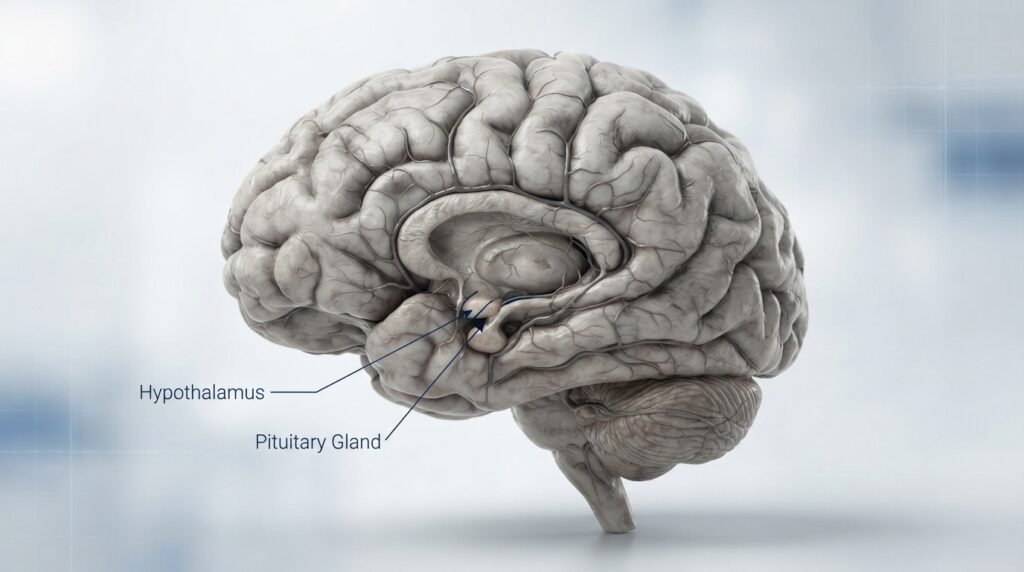
A brain region called the hypothalamus plays a major role. It helps control body temperature, hunger, hormones, and automatic body functions.
When the hypothalamus detects a stress signal, it activates the body’s stress systems.
2. The Sympathetic Nervous System Becomes Active
The sympathetic nervous system (SNS) is part of the autonomic nervous system. It prepares the body to react quickly.
It sends signals to different organs and stimulates the adrenal glands to release stress chemicals.
These changes may include:
- Faster heartbeat.
- Increased blood pressure.
- Faster breathing.
- Greater blood flow to working muscles.
- Increased sweating.
- Wider pupils.
- Slower digestion.
These reactions help you respond to a challenge that needs quick action.
3. The Adrenal Glands Release Stress Hormones
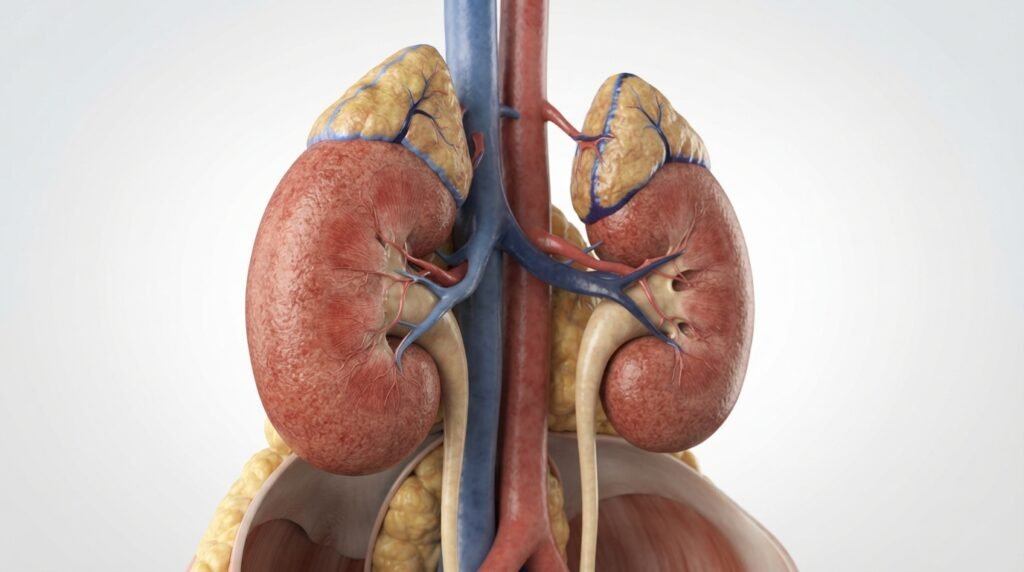
The adrenal glands are two small glands located above your kidneys. They release hormones that help control the body’s response to stress.
Two major chemicals involved in this process are adrenaline and noradrenaline.
Adrenaline increases heart activity and helps provide energy. Noradrenaline supports alertness and helps regulate blood vessel activity.
The HPA axis also triggers the release of cortisol, which helps the body manage a longer-lasting stress response.
Example 2:
A driver suddenly sees a vehicle moving into their lane. Their heart races, their hands grip the steering wheel tightly, and they quickly move away from the danger.
The driver is experiencing a fast fight-or-flight response. The body is preparing for immediate action.
Which Hormones Are Released During Stress?
Several hormones and chemical messengers help control the body’s reaction to stress. Each has a different role.
1. Adrenaline
Adrenaline, also called epinephrine, is released by the adrenal glands during a stressful event.
It helps the body respond quickly by:
- Increasing heart rate.
- Increasing blood flow to important muscles.
- Opening the airways.
- Raising available blood glucose.
- Increasing alertness.
Adrenaline is one reason you may feel your heart pounding during a frightening or exciting situation.
2. Cortisol
Cortisol is often called the stress hormone. It is produced by the adrenal cortex, the outer part of the adrenal glands.
It helps the body manage stress by:
- Increasing the availability of glucose for energy.
- Helping regulate blood pressure.
- Affecting immune system activity.
- Changing how the body uses fats, proteins, and carbohydrates.
Cortisol is useful during short-term stress. However, problems can occur when stress continues and the body’s normal stress regulation becomes disrupted.
3. Noradrenaline
Noradrenaline, also known as norepinephrine, is a chemical messenger that works in the brain and throughout the body.
It helps increase alertness and supports changes in blood vessel activity and blood pressure.
It works alongside adrenaline to prepare the body for action.
4. ACTH
Adrenocorticotropic hormone (ACTH) is released by the pituitary gland.
It signals the adrenal glands to produce and release cortisol. ACTH is an important part of the HPA axis.
What Is the HPA Axis in the Stress Response?
The hypothalamic-pituitary-adrenal (HPA) axis is a communication system between three parts of the body:
- Hypothalamus: A part of the brain that starts the hormonal response.
- Pituitary gland: A small gland below the brain that releases ACTH.
- Adrenal glands: Glands above the kidneys that release cortisol.
The HPA axis helps control the body’s hormonal reaction to stress.
How the HPA Axis Works
The process usually follows these steps:
- The hypothalamus releases corticotropin-releasing hormone (CRH).
- CRH signals the pituitary gland to release ACTH.
- ACTH travels through the blood to the adrenal glands.
- The adrenal cortex releases cortisol.
- Cortisol helps the body manage the stressful situation.
- A feedback system helps reduce the hormonal response when it is no longer needed.
This feedback process helps prevent the stress response from staying active unnecessarily.
Example 3:
An employee has to give an important presentation to a large group. Their brain detects the situation as stressful, and the HPA axis helps increase cortisol levels.
The hormonal response helps make energy available so the employee can handle the demanding situation.
What Happens to Your Body During Stress?
Stress can affect several organs and body systems. The exact effects can vary from person to person.
1. Heart and Blood Pressure
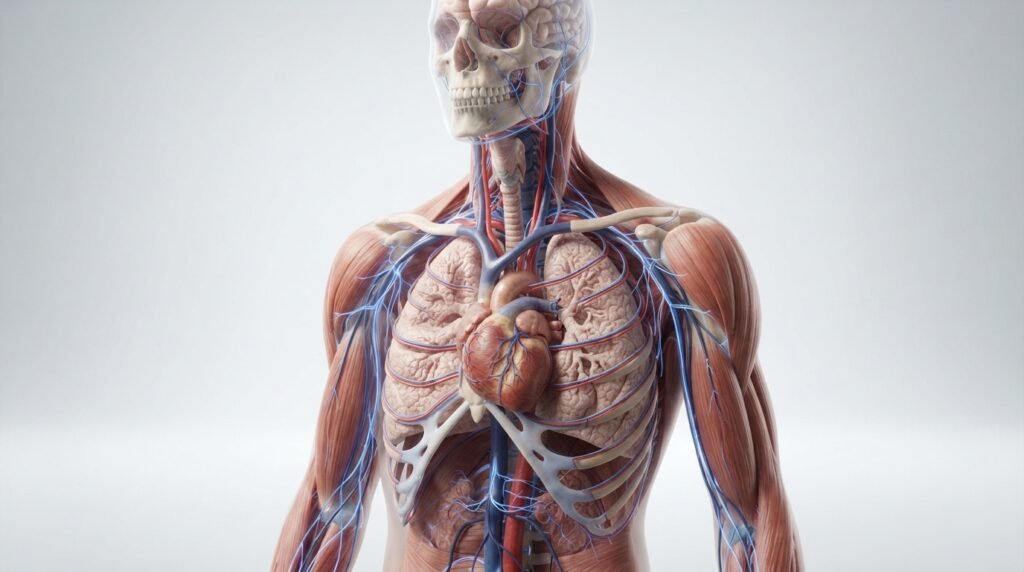
During stress, your heart may beat faster and pump more blood. Blood pressure may also increase.
These changes help deliver oxygen and nutrients to areas that need them.
For example, you may notice a pounding heartbeat before a job interview or during an unexpected emergency.
2. Lungs and Breathing
Your breathing may become faster during stress. The airways can also widen to help bring more oxygen into your lungs.
Some people notice shortness of breath or rapid breathing when they feel anxious.
3. Muscles
Your muscles may become tense and ready for movement.
This reaction can help during an immediate physical threat. However, repeated muscle tension may contribute to headaches, shoulder pain, or neck discomfort.
4. Digestive System
The body may temporarily slow some digestive activities during a stressful event.
This happens because the body shifts its attention toward functions that support immediate action.
Some people experience:
- Stomach discomfort.
- Nausea.
- Diarrhea.
- Constipation.
- Changes in appetite.
5. Brain and Nervous System
Stress can increase alertness and attention. This may help you notice danger or respond quickly.
However, intense or ongoing stress can make it harder to concentrate, remember information, and make decisions.
6. Immune System
Stress hormones help control immune activity. Short-term changes can be part of the body’s normal response.
Long-term stress may interfere with normal immune regulation and affect the body’s ability to respond to illness.
7. Skin and Sweating
Stress can activate sweat glands, especially on your palms, feet, and underarms.
Some people also notice changes in existing skin problems during stressful periods.
What Is the Difference Between Acute and Chronic Stress?
Stress can be short-term or long-term. These two forms can affect the body in different ways.
Acute Stress
Acute stress is a short-term reaction to an immediate challenge or event.
Examples include:
- Giving a speech.
- Taking an exam.
- Avoiding a road accident.
- Attending an important job interview.
- Facing an unexpected problem.
During acute stress, the body activates its alert systems. Once the stressful event passes, the body can gradually return to its normal state.
Example 4:
A person suddenly hears a loud noise while walking alone at night. Their heart beats faster, and they quickly look around to check what happened.
This is an example of acute stress. The physical reaction helps the person pay attention to a possible threat.
Chronic Stress
Chronic stress happens when stressful situations continue for a long time or keep returning without enough recovery.
Common causes include:
- Ongoing financial problems.
- Long-term work pressure.
- Family difficulties.
- Caregiving responsibilities.
- Continued sleep problems.
- Repeated personal challenges.
Long-term stress can affect sleep, digestion, mood, blood pressure, and other areas of health.
Acute Stress vs. Chronic Stress
| Feature | Acute Stress | Chronic Stress |
|---|---|---|
| Duration | Short-term | Long-term or repeated |
| Main trigger | Immediate challenge | Ongoing pressure |
| Body response | Temporary alert state | Repeated or prolonged activation |
| Recovery | Often occurs after the event | May be difficult without changes |
| Possible effects | Faster heartbeat and sweating | Sleep, mood, digestive, and other health problems |
What Are the Common Physical Symptoms of Stress?
The physical signs of stress can be different for each person. Some people notice several symptoms, while others experience only a few.
Common signs include:
- Fast heartbeat.
- Sweaty palms.
- Muscle tension.
- Headaches.
- Stomach discomfort.
- Faster breathing.
- Dry mouth.
- Tiredness.
- Sleep problems.
- Changes in appetite.
- Shaking or trembling.
These symptoms can happen during stress, but they do not always mean stress is the cause.
For example, chest discomfort and breathing problems can also be signs of medical conditions. New, severe, or unexplained symptoms should be checked by a healthcare professional.
How Does the Body Return to Normal After Stress?
After a stressful event ends, the body begins to reduce its alert response.
The parasympathetic nervous system (PNS) helps the body return to a calmer state. It supports functions such as normal digestion, rest, and recovery.
Several changes may occur:
- Heart rate begins to slow.
- Breathing becomes more regular.
- Blood pressure may move back toward its usual level.
- Muscle tension starts to decrease.
- Digestive activity can return to its normal pattern.
- Stress hormone activity is gradually regulated.
Recovery time varies. It depends on the type of stress, how long it lasted, and the person’s health and circumstances.
Example 5:
After finishing a difficult job interview, a person sits quietly, drinks some water, and takes a few slow breaths. Their heartbeat gradually settles.
These actions may help the person feel calmer as the body moves out of its alert state.
How Can You Manage the Physiological Effects of Stress?
You cannot avoid every stressful situation, but you can take steps to support your body and mind.
1. Practice Slow Breathing
Slow, comfortable breathing may help reduce feelings of tension.
Try breathing in gently through your nose and breathing out slowly. Avoid forcing deep breaths or holding your breath if it feels uncomfortable.
2. Get Regular Physical Activity
Walking, swimming, cycling, and other activities can support physical and mental health.
Choose an activity that suits your fitness level and health needs.
3. Maintain a Regular Sleep Schedule
Good sleep helps your body recover from daily demands.
Try to:
- Go to bed at a regular time.
- Keep your bedroom quiet and comfortable.
- Reduce screen use before bedtime.
- Avoid caffeine late in the day.
4. Eat Balanced Meals
Regular meals with vegetables, fruits, whole grains, protein, and healthy fats can support general health.
Try to avoid relying on too much caffeine when you feel stressed.
5. Take Short Breaks
A short break from work or study can help reduce mental pressure.
You could take a walk, stretch, or spend a few minutes away from your screen.
6. Talk to Someone You Trust
Sharing your concerns with a friend, family member, or trusted person may help you feel less alone.
If stress is affecting your daily life, a licensed mental health professional can help.
7. Seek Medical Support When Needed
Speak with a healthcare professional if stress symptoms continue, become difficult to manage, or affect your sleep, work, relationships, or daily activities.
Seek emergency medical help for severe chest pain, serious breathing difficulty, fainting, or other signs of a possible medical emergency.
Frequently Asked Questions
1. What is the physiological response to stress?
The physiological response to stress is the body’s automatic physical reaction to a stressful event. It involves changes in heart rate, breathing, blood pressure, hormones, and other body functions.
2. What are the three main stages of the stress response?
The traditional General Adaptation Syndrome (GAS) model describes three stages:
- Alarm: The body detects stress and activates its alert response.
- Resistance: The body continues trying to manage the stressor.
- Exhaustion: Prolonged stress may leave the body less able to cope.
This is a traditional model of stress, not a fixed sequence that everyone experiences.
3. Which hormone is most closely associated with stress?
Cortisol is commonly called the stress hormone. However, adrenaline and noradrenaline also play major roles in the body’s stress response.
4. What part of the brain controls the stress response?
The hypothalamus plays a major role in starting the stress response. It communicates with the nervous system and helps activate the HPA axis.
Other brain areas, including the amygdala and prefrontal cortex, also help process threats and regulate responses.
5. What is the fight-or-flight response?
The fight-or-flight response is an automatic reaction that prepares your body to face danger or move away from it. It can increase your heart rate, breathing, alertness, and muscle readiness.
6. Can stress cause physical symptoms?
Yes. Stress can contribute to physical symptoms such as muscle tension, headaches, sweating, stomach discomfort, and changes in sleep.
However, similar symptoms can have other causes, so persistent or concerning symptoms should be checked by a healthcare professional.
7. What is the difference between adrenaline and cortisol?
Adrenaline helps produce a fast response by increasing heart activity and alertness. Cortisol helps manage the body’s energy supply and supports a longer hormonal response to stress.
8. Is the stress response harmful?
The short-term stress response is a normal body function. It helps you react to challenges and possible danger.
However, repeated or prolonged stress may contribute to health problems, including sleep difficulties, high blood pressure, and mental health concerns.
9. How long does it take for the body to recover from stress?
There is no single recovery time for everyone. Some physical reactions settle after a stressful event ends, while others may take longer.
Recovery depends on the stressor, its duration, personal health, and the support available.
10. Which nervous system helps the body relax after stress?
The parasympathetic nervous system helps the body move into a calmer state. It supports rest, digestion, and recovery after the body’s alert response.
Conclusion
The physiological response to stress is a natural process that prepares your body to deal with challenges and possible danger. It involves the brain, sympathetic nervous system, HPA axis, and hormones such as adrenaline and cortisol.
Short-term stress can help you react quickly. However, repeated or prolonged stress may affect your heart, digestion, sleep, immune system, and mental health.
Regular physical activity, healthy sleep habits, balanced meals, slow breathing, and support from others can help you manage stress. If physical or emotional symptoms continue to affect your daily life, speak with a qualified healthcare professional.

Emily Carter (Content Writer & Communication Specialist) is a content writer and communication specialist at AllTypeInfo.com. She writes clear, practical, and easy-to-follow guides on email responses, message replies, writing templates, and everyday communication tips. Her goal is to help readers communicate with confidence in both personal and professional settings.