
Have you ever heard someone say grazie and wondered what to say next? If you are learning Italian or planning a trip to Italy, knowing how to respond to grazie can help you feel more comfortable in everyday conversations.
The most common response is prego, which means “you’re welcome.” However, Italian has several other natural replies, including figurati, di niente, and si figuri.
Each expression has a slightly different meaning and level of formality. In this guide, you will learn 10 ways to respond to grazie, their English meanings, pronunciation tips, and examples you can use with friends, strangers, coworkers, and people you meet while traveling.
What Does Response to Grazie Mean?
A response to grazie is a polite expression used when someone thanks you in Italian. The word grazie means “thank you” or “thanks” in English.
The most common reply is prego, which means “you’re welcome.” It is suitable for many everyday situations, including conversations with friends, customers, strangers, and coworkers.
However, you can use other expressions depending on your relationship with the person and the situation.
For example:
Example 1:
Person A: Grazie!
Person B: Prego!
This means:
Person A: Thank you!
Person B: You’re welcome!
The simple exchange is useful in shops, restaurants, hotels, and everyday conversations.
10 Best Ways to Respond to Grazie in Italian
Here are 10 natural Italian expressions you can use when someone says grazie.
1. Prego (You’re Welcome)
Prego is the most common and widely useful response to grazie. It is polite, simple, and suitable for both formal and informal conversations.
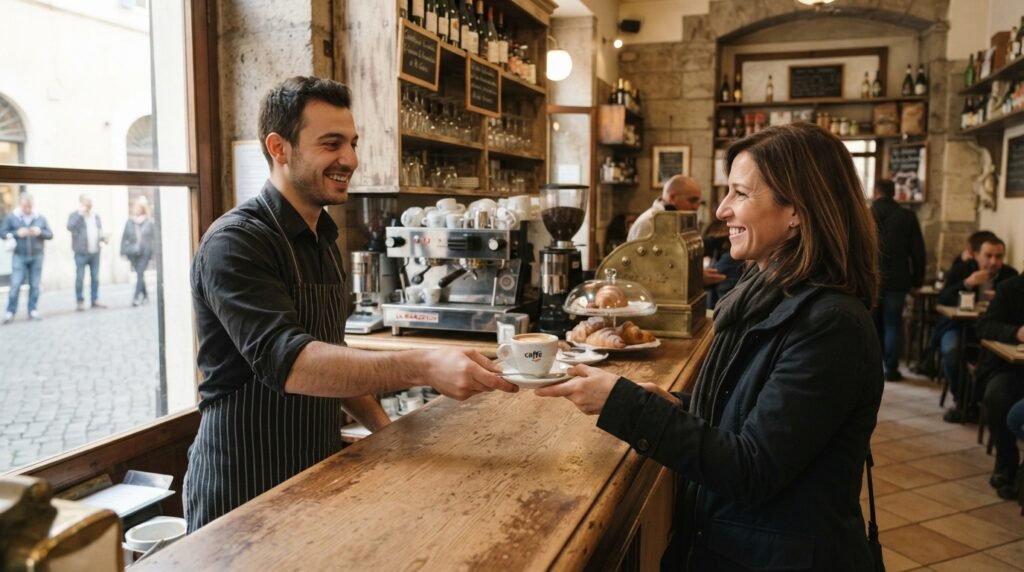
You can use it when someone thanks you for:
- Helping them with something.
- Giving them directions.
- Holding a door open.
- Serving them in a restaurant.
- Giving them a gift.
Pronunciation: PREH-goh.
Example 2:
Person A: Grazie per avermi aiutato.
Person B: Prego!
English translation:
Person A: Thank you for helping me.
Person B: You’re welcome!
This is a natural response when someone appreciates your help. You can use prego even when speaking with someone you have just met.
2. Figurati (Don’t Mention It)
Figurati is a friendly and informal way to respond to grazie. It means “don’t mention it,” “no problem,” or “think nothing of it.”

It is especially common among friends, family members, and people you know well.
Use it when:
- A friend thanks you for a small favor.
- Someone appreciates your help.
- You want to make the other person feel comfortable.
- The situation is relaxed and friendly.
Pronunciation: fee-GOO-rah-tee.
Example 3:
Friend: Grazie per il caffè!
You: Figurati!
English translation:
Friend: Thanks for the coffee!
You: Don’t mention it!
This reply sounds warm and relaxed. It tells your friend that helping them was no trouble.
3. Di Niente (It’s Nothing)
Di niente literally means “it’s nothing.” It is a casual and friendly way to respond when someone thanks you.
It is useful when you want to show that the favor was small or that you were happy to help.
Use it when:
- Someone thanks you for giving directions.
- A friend appreciates a small favor.
- Someone thanks you for sharing something.
- You want a simple and relaxed response.
Pronunciation: dee NYEN-teh.
Example 4:
Person A: Grazie per le indicazioni.
Person B: Di niente!
English translation:
Person A: Thank you for the directions.
Person B: It’s nothing!
This expression works well in everyday conversations. It is a friendly way to accept someone’s thanks.
4. Si Figuri (You’re Very Welcome)
Si figuri is the formal version of figurati. It is a polite way to tell someone that they do not need to thank you.

Use it when speaking with:
- Older people you address formally.
- Customers.
- People you have just met.
- Someone in a professional setting.
- A person you address using the formal Italian pronoun Lei.
Pronunciation: see FEE-goo-ree.
Example 5:
Customer: Grazie per il suo aiuto.
Employee: Si figuri!
English translation:
Customer: Thank you for your help.
Employee: You’re very welcome!
This reply shows politeness and respect. It is a good choice when a casual expression such as figurati may sound too familiar.
5. Non C’è Di Che (Don’t Mention It)
Non c’è di che is another polite Italian response to grazie. It expresses the idea that there is no need to thank you.
It is suitable for friendly and polite conversations.
Use it when:
- Someone thanks you for a favor.
- You want to sound polite.
- Someone shows extra appreciation.
- You want an alternative to prego.
Pronunciation: non cheh dee keh.
Example 6:
Person A: Grazie mille per il tuo aiuto.
Person B: Non c’è di che!
English translation:
Person A: Thanks a lot for your help.
Person B: Don’t mention it!
This phrase is a natural way to show that helping someone was no trouble.
6. Con Piacere (With Pleasure)
Con piacere means “with pleasure.” It is a warm response that shows you were happy to help.
You can use it when someone thanks you for:
- Helping with a task.
- Sharing useful information.
- Doing a favor.
- Offering assistance.
Pronunciation: kon pya-CHEH-reh.
Example 7:
Coworker: Grazie per avermi aiutato con il progetto.
You: Con piacere!
English translation:
Coworker: Thank you for helping me with the project.
You: With pleasure!
This reply is friendly and positive. It works well when you want to show that you genuinely enjoyed helping.
7. Ci Mancherebbe (Of Course / Not at All)
Ci mancherebbe is an expressive Italian phrase used to show that helping someone was natural or that there was no reason to hesitate.
Depending on the situation, it can mean:
- Of course!
- Not at all!
- Don’t mention it!
- It was the least I could do!
It is often used in friendly conversations and polite exchanges.
Pronunciation: chee man-keh-REB-beh.
Example 8:
Friend: Grazie per avermi accompagnato a casa.
You: Ci mancherebbe!
English translation:
Friend: Thanks for taking me home.
You: Of course! Don’t mention it!
This expression sounds warm and generous. It is especially useful when you want to show that helping was no trouble.
8. È Stato Un Piacere (It Was a Pleasure)
È stato un piacere means “it was a pleasure.”
It is a thoughtful response when you have enjoyed helping someone or spending time with them.
You can use it:
- After helping someone with an important task.
- At the end of a business meeting.
- After providing a service.
- When thanking someone for a pleasant experience.
Pronunciation: eh STAH-toh oon pya-CHEH-reh.
Example 9:
Client: Grazie per il suo tempo.
You: È stato un piacere.
English translation:
Client: Thank you for your time.
You: It was a pleasure.
This expression works well in professional conversations and polite social situations.
9. Grazie a Te (Thank You Too)
Grazie a te means “thank you too.”
Unlike the other expressions, this reply returns the appreciation to the other person. It is useful when both people have done something kind for each other.
Use it when:
- A friend thanks you after spending time together.
- Someone helps you and you also help them.
- You want to return someone’s appreciation.
- Both people have enjoyed an activity.
Pronunciation: GRAH-tsee-eh ah teh.
Example 10:
Friend: Grazie per la bella giornata!
You: Grazie a te!
English translation:
Friend: Thanks for the lovely day!
You: Thank you too!
This reply is friendly and personal. It shows that you also appreciated the time you spent together.
10. Di Nulla (It’s Nothing)
Di nulla is another way to say “it’s nothing” or “don’t mention it.”
It is similar to di niente and can be used in everyday conversations.
Use it when someone thanks you for:
- A small favor.
- Giving someone a hand.
- Sharing something.
- Offering simple assistance.
Pronunciation: dee NOOL-lah.
Example 11:
Person A: Grazie per avermi prestato la penna.
Person B: Di nulla!
English translation:
Person A: Thanks for lending me the pen.
Person B: It’s nothing!
It is a short and friendly way to accept someone’s thanks.
Quick Comparison: 10 Responses to Grazie
If you are unsure which expression to use, this table can help you choose the right one.
| Italian Response | English Meaning | Best Situation |
|---|---|---|
| Prego | You’re welcome | Almost any situation |
| Figurati | Don’t mention it | Friends and family |
| Di niente | It’s nothing | Casual conversations |
| Si figuri | You’re very welcome | Formal conversations |
| Non c’è di che | Don’t mention it | Polite conversations |
| Con piacere | With pleasure | Helping someone |
| Ci mancherebbe | Of course | Friendly situations |
| È stato un piacere | It was a pleasure | Professional or personal thanks |
| Grazie a te | Thank you too | Returning appreciation |
| Di nulla | It’s nothing | Everyday conversations |
How to Choose the Right Response to Grazie
You do not need to memorize all 10 expressions at once. Start with a few common replies and use the others as you become more comfortable speaking Italian.
Here is a simple guide.
When a Friend Says Grazie
Use figurati, di niente, or di nulla.
These expressions sound relaxed and friendly.
Example 12:
Friend: Grazie per avermi invitato!
You: Figurati, è stato bello vederti!
English translation:
Friend: Thanks for inviting me!
You: Don’t mention it, it was nice seeing you!
This response is a good fit for a casual conversation between friends.
When a Stranger Says Grazie
Use prego.
It is polite and works well with people you do not know.
Example 13:
Stranger: Grazie per avermi tenuto la porta.
You: Prego!
English translation:
Stranger: Thank you for holding the door for me.
You: You’re welcome!
A simple prego is enough in this situation.
When a Customer Says Grazie
Use prego or si figuri.
Both expressions are polite. Si figuri sounds more formal.
Example 14:
Customer: Grazie per la sua assistenza.
Employee: Si figuri, è stato un piacere.
English translation:
Customer: Thank you for your assistance.
Employee: You’re very welcome. It was a pleasure.
This is a suitable reply in a professional setting.
When Someone Thanks You for a Gift
Use figurati, di nulla, or è stato un piacere.
Your response can depend on how close you are to the person.
Example 15:
Friend: Grazie mille per il regalo!
You: Figurati! Sono felice che ti piaccia.
English translation:
Friend: Thanks a lot for the gift!
You: Don’t mention it! I’m glad you like it.
This response makes the conversation feel warm and natural.
How to Respond to Grazie in a Text Message
You can use the same Italian expressions in text messages, WhatsApp chats, and social media conversations.
Short replies are usually enough.
Here are some useful options:
| Italian Text Reply | English Meaning |
|---|---|
| Prego! | You’re welcome! |
| Figurati! | Don’t mention it! |
| Di niente! | It’s nothing! |
| Con piacere! | With pleasure! |
| Grazie a te! | Thank you too! |
| Si figuri! | You’re very welcome! |
| Nessun problema! | No problem! |
Friendly Text Message Replies
Use these with friends and people you know well.
Example 16:
Friend: Grazie per avermi mandato le foto!
You: Figurati! 😊
English translation:
Friend: Thanks for sending me the photos!
You: Don’t mention it!
A smile emoji can make this reply feel more personal in an informal chat.
Formal Text Message Replies
Use polite expressions when messaging a customer, business contact, or someone you address formally.
Example 17:
Colleague: Grazie per la sua disponibilità.
You: Prego, è stato un piacere.
English translation:
Colleague: Thank you for your availability.
You: You’re welcome. It was a pleasure.
A simple and polite reply is often best for professional messages.
How to Pronounce Common Italian Responses
Pronunciation can help you feel more confident when speaking Italian.
Here is a simple pronunciation guide for the most useful expressions.
| Italian Phrase | Easy Pronunciation |
|---|---|
| Prego | PREH-goh |
| Figurati | fee-GOO-rah-tee |
| Di niente | dee NYEN-teh |
| Si figuri | see FEE-goo-ree |
| Non c’è di che | non cheh dee keh |
| Con piacere | kon pya-CHEH-reh |
| Ci mancherebbe | chee man-keh-REB-beh |
| È stato un piacere | eh STAH-toh oon pya-CHEH-reh |
| Grazie a te | GRAH-tsee-eh ah teh |
| Di nulla | dee NOOL-lah |
A useful tip: Italian pronunciation is generally consistent. Practice each phrase slowly, then repeat it at a natural speaking speed.
Common Mistakes to Avoid When Responding to Grazie
Learning Italian expressions is easier when you know which mistakes to avoid.
Here are some common problems beginners may face.
1. Using Figurati in Every Situation
Figurati is an informal expression. It is suitable for friends and people you address using tu.
With a customer, stranger, or someone you address formally, prego or si figuri may be a better choice.
2. Confusing Prego With Per Favore
These two Italian expressions have different meanings.
- Prego: You’re welcome, or please go ahead.
- Per favore: Please.
Do not use per favore as a direct reply to grazie.
3. Using the Wrong Formal Expression
Italian uses different forms of address depending on the relationship.
- Figurati: Informal.
- Si figuri: Formal.
Choosing the right form helps you sound polite and natural.
4. Saying Prego Again After Someone Says Prego
If you thank someone and they reply with prego, you do not need to repeat the same word.
A smile, nod, or simple grazie is enough.
5. Forgetting the Situation
A reply that sounds natural with a close friend may feel too casual in a business conversation.
When you are unsure, choose prego. It is a safe and widely understood option.
FAQs About Responding to Grazie
1. What Is the Best Response to Grazie?
Prego is the most common and useful response to grazie. It means “you’re welcome” and works in both formal and informal situations.
2. Does Prego Mean You’re Welcome in Italian?
Yes. Prego is the standard Italian expression for “you’re welcome.” It can also mean “please go ahead” or “after you,” depending on the situation.
3. Can I Say Figurati Instead of Prego?
Yes. Figurati is a natural alternative to prego in informal conversations. It means “don’t mention it” or “no problem.” Use it with friends, family, and people you address informally.
4. What Is the Formal Way to Respond to Grazie?
Si figuri is a common formal response. You can also use prego or non c’è di che in polite conversations.
5. What Does Di Niente Mean?
Di niente means “it’s nothing” or “no problem.” It is a friendly expression used when someone thanks you for a small favor or helpful action.
6. What Is the Difference Between Figurati and Si Figuri?
Both expressions mean “don’t mention it” or “you’re welcome.”
The main difference is formality. Figurati is informal, while si figuri is formal.
7. How Do You Say No Problem in Italian?
You can say nessun problema, which directly means “no problem.” You can also use figurati or di niente when responding to someone who says grazie.
8. Can I Reply to Grazie With Grazie a Te?
Yes. Grazie a te means “thank you too.” Use it when you also want to show appreciation to the other person.
For formal conversations, you can say grazie a Lei.
9. Is Di Nulla the Same as Di Niente?
Yes. Both expressions can mean “it’s nothing” or “don’t mention it.” They are common alternatives when responding to grazie.
10. What Should I Say After Someone Says Prego?
You usually do not need another reply. You can smile, nod, or say grazie if the conversation calls for it.
Conclusion
Knowing how to respond to grazie makes Italian conversations easier and more natural. Although there are many expressions you can use, prego is the best starting point because it works in most situations.
For casual conversations, try figurati or di niente. When speaking formally, use si figuri. You can also use con piacere or è stato un piacere when you want to sound warm and polite.
Start by practicing three expressions: prego, figurati, and si figuri. Once you feel comfortable using them, add the other phrases to your everyday Italian vocabulary.

Emily Carter (Content Writer & Communication Specialist) is a content writer and communication specialist at AllTypeInfo.com. She writes clear, practical, and easy-to-follow guides on email responses, message replies, writing templates, and everyday communication tips. Her goal is to help readers communicate with confidence in both personal and professional settings.