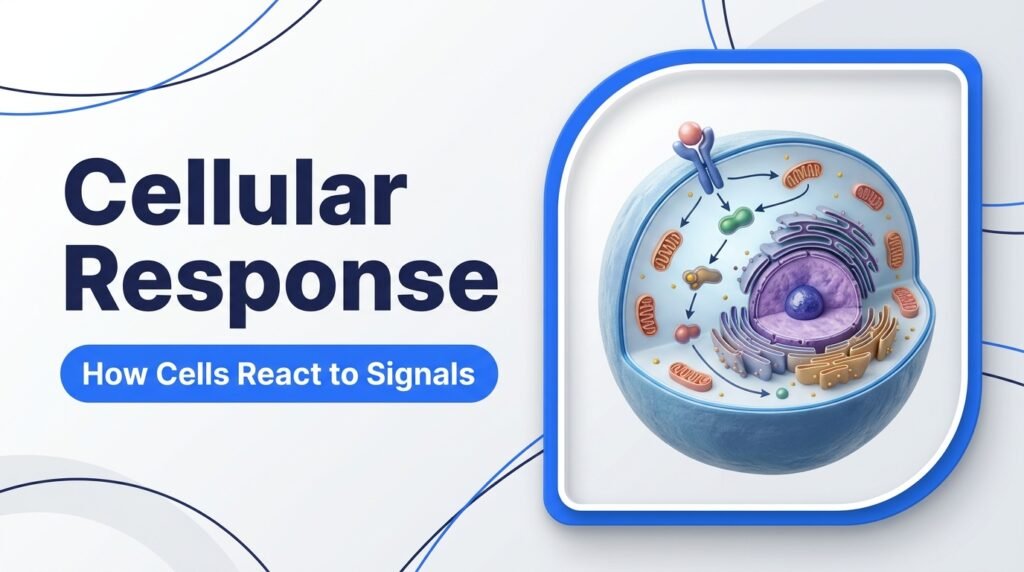
Every cell in the human body receives information from its surroundings. These messages help cells decide what to do, when to grow, and how to react to changes. The process that allows a cell to react to a signal is called a cellular response.
A cellular response plays an important role in many body functions. For example, cells can receive signals that tell them to produce proteins, release chemicals, divide, move, or stop growing. These reactions help the body maintain normal functions and respond to changes.
But how does a cell receive a message and turn it into an action? In this guide, you will learn the cellular response definition, how the process works, its main types, and real examples of cellular responses.
What Is a Cellular Response?
A cellular response is a specific change in a cell’s activity or behavior after it receives a signal. The signal may come from another cell, a hormone, a chemical messenger, or the cell’s environment.
Cells use special proteins called receptors to detect many of these signals. When the correct signal connects with a receptor, it can start a series of events inside the cell. These events lead to a specific action.
For example, a hormone may send a message to a liver cell. The cell receives the signal and changes its activity to release stored glucose into the bloodstream.
A cellular response can involve:
- Gene expression: Turning specific genes on or off.
- Protein activity: Activating or stopping certain proteins.
- Cell growth: Increasing the size of a cell.
- Cell division: Producing new cells.
- Cell movement: Moving from one place to another.
- Secretion: Releasing substances outside the cell.
- Apoptosis: Controlled cell death.
The type of response depends on the signal, the receptor, and the internal machinery of the receiving cell.
Example 1:
A hormone reaches a liver cell and connects with its receptor. The cell receives the message and changes its activity to help control blood glucose levels.
This example shows how a chemical signal can cause a specific change inside a cell.
How Does a Cellular Response Work?
A cellular response usually happens through a process called cell signaling. This process allows cells to receive information and turn it into an action.
A typical cell signaling pathway has three main stages:
1. Signal Reception
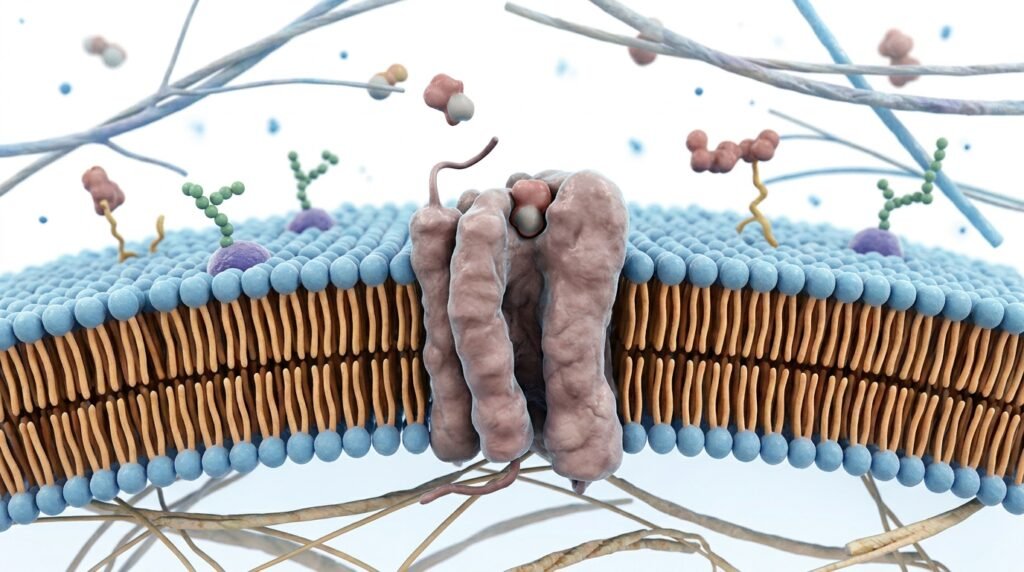
The first stage is called reception. During this stage, a signaling molecule connects with a matching receptor.
A signaling molecule is also known as a ligand. It may be a hormone, growth factor, neurotransmitter, or another chemical messenger.
Many receptors are found on the cell membrane, which is the outer covering of a cell. Some receptors are located inside the cell.
Not every cell responds to every signal. A cell must have the correct receptor to detect a particular message.
Example 2:
Insulin reaches a muscle cell and connects with an insulin receptor on its surface. This connection starts a signaling process inside the cell.
The example shows why receptors matter. Without the correct receptor, the cell may not respond to that particular signal.
2. Signal Transduction
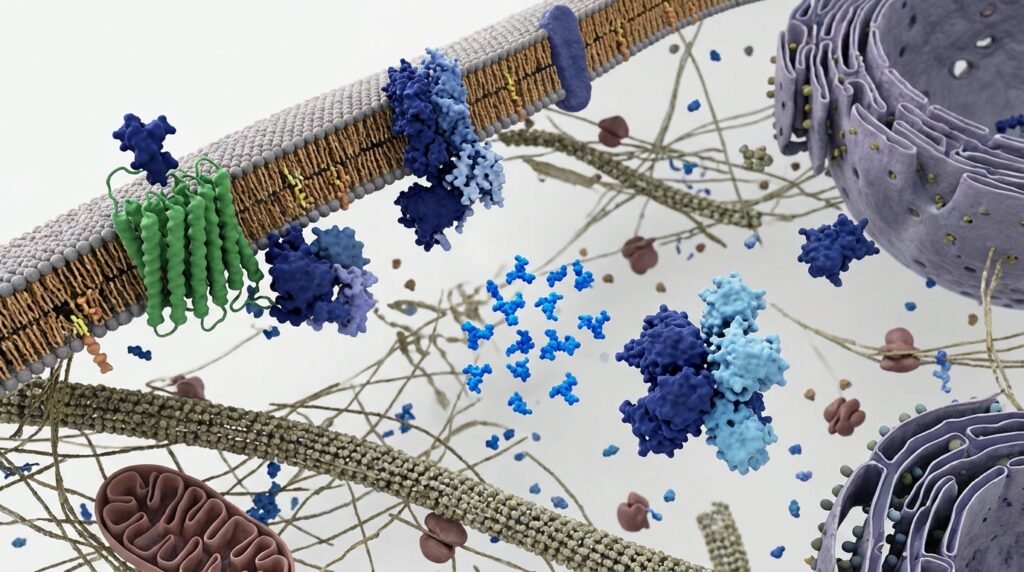
The second stage is called signal transduction. It happens when the received message is passed through a series of events inside the cell.
After a signal connects with a receptor, the receptor changes its activity. This can activate other proteins or small chemical messengers inside the cell.
These molecules pass the message from one part of the cell to another. Some pathways also increase the strength of the original signal. This is called signal amplification.
Common parts of signal transduction include:
- Relay proteins: Pass messages between molecules.
- Enzymes: Speed up chemical reactions.
- Second messengers: Small molecules that carry signals inside the cell.
- Protein kinases: Enzymes that add phosphate groups to proteins.
- Phosphatases: Enzymes that remove phosphate groups from proteins.
One common second messenger is cyclic AMP (cAMP). It helps carry signals inside cells and can activate other proteins.
Example 3:
A signaling molecule connects with a cell receptor. The receptor activates proteins inside the cell, which then activate other proteins and pass the message along.
This process helps the cell carry information from its outer surface to the parts that control its activity.
3. Cellular Response
The third stage is the cellular response itself. At this point, the cell carries out an action based on the received message.
The action can be quick or slow. Some responses involve changing the activity of proteins that already exist in the cell. Others require the cell to produce new proteins.
Possible outcomes include:
- Starting or stopping a chemical reaction.
- Producing specific proteins.
- Releasing hormones or other substances.
- Moving to another location.
- Growing or dividing.
- Starting programmed cell death.
Example 4:
A growth factor connects with a receptor on a target cell. The signal activates proteins that encourage the cell to grow and divide.
This shows how a signal can affect the future activity of a cell.
What Are the Main Types of Cellular Responses?
Cells can react to signals in several ways. The response depends on the type of cell and the message it receives.
Here are the main types of cellular responses.
1. Changes in Gene Expression
Gene expression is the process through which a cell uses information stored in its DNA to make a functional product, usually a protein.
Some signals tell cells to increase or decrease the activity of certain genes. This changes which proteins the cell produces and can affect how it works.
For example, a growth factor may activate a signaling pathway that increases the activity of genes involved in cell growth.
Example 5:
A developing muscle cell receives a growth-related signal. The signal activates certain genes that help the cell produce proteins needed for muscle development.
This example shows how cell signaling can affect the proteins a cell makes.
2. Changes in Protein Activity
A cell can respond to a signal by activating or slowing down proteins that are already present.
Proteins perform many important jobs inside cells. They help control chemical reactions, move materials, and carry out different cell functions.
A signal may change the activity of an enzyme without requiring the cell to make a new protein.
Example 6:
A muscle cell receives a signal from adrenaline. The signal activates enzymes that help break down stored glycogen and provide glucose for energy use.
This response helps the body prepare for situations that require quick action.
3. Cell Growth and Division
Some signals encourage cells to grow or divide. This process is important for normal development, tissue repair, and replacing old or damaged cells.
Growth factors are signaling molecules that can encourage certain cells to grow and divide.
However, cell division must be carefully controlled. If cells continue dividing without normal control, it can contribute to diseases such as cancer.
Example 7:
After a small skin injury, nearby cells receive signals that encourage them to divide and replace damaged tissue.
This response helps the body repair an injured area.
4. Cell Movement
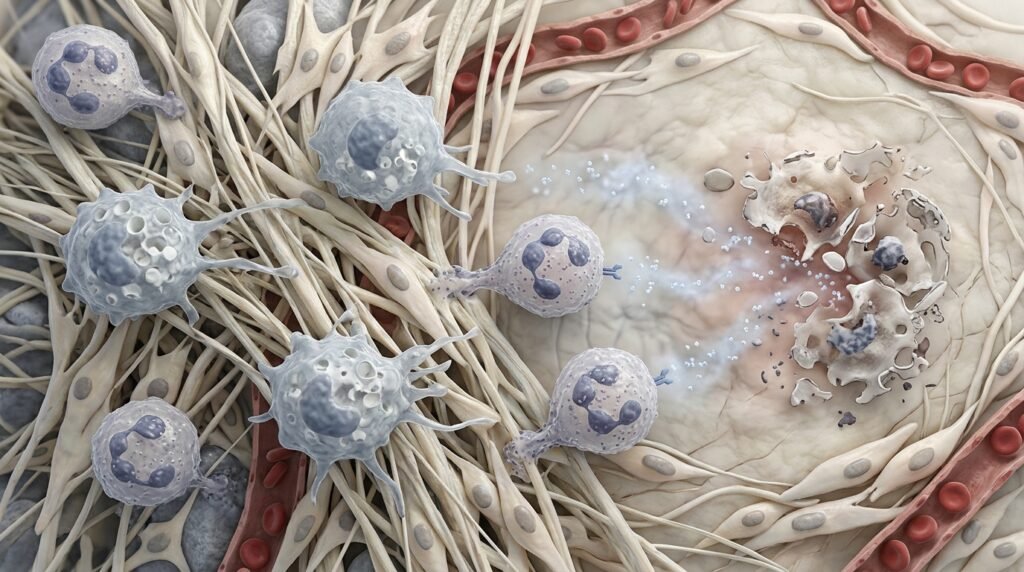
Some signals cause cells to move toward or away from a particular area. This movement is called cell migration.
Cell migration is important during early development, wound healing, and immune system activity.
For example, certain immune cells move toward areas where harmful microorganisms or damaged tissue are present.
Example 8:
During an infection, chemical signals released near the affected area attract immune cells. These cells move toward the location to help fight the infection.
This example shows how chemical signals guide cells to places where they are needed.
5. Secretion of Substances
Secretion happens when a cell releases substances outside itself.
Cells may release hormones, enzymes, neurotransmitters, or other chemical messengers. These substances can affect nearby cells or travel to distant parts of the body.
Example 9:
When blood glucose rises after a meal, pancreatic beta cells release insulin into the bloodstream.
The insulin carries a message to target cells and helps regulate blood glucose levels.
6. Apoptosis (Programmed Cell Death)
Apoptosis is a controlled process through which a cell dies. It helps remove damaged, unnecessary, or unwanted cells.
This process is important for normal development and tissue health. It also helps the body remove cells that may cause problems if they remain active.
Apoptosis is different from accidental cell damage because it follows a controlled series of steps.
Example 10:
During early development, cells between the fingers and toes undergo apoptosis. Their removal helps form separate fingers and toes.
This example shows how controlled cell death supports normal body development.
What Factors Affect a Cellular Response?
A cell does not react to every signal in the same way. Several factors affect its response.
1. Type of Receptor
The receptor determines which signals a cell can detect. If a cell does not have the correct receptor, it may not respond to a particular signal.
2. Type of Signaling Molecule
Different signaling molecules can trigger different reactions. Hormones, neurotransmitters, and growth factors each carry different messages.
3. Cell Type
Different cells have different structures and functions. As a result, the same signal can produce different effects in different cells.
For example, the neurotransmitter acetylcholine can stimulate skeletal muscle contraction while reducing the rate and force of contraction in certain heart muscle cells.
4. Signal Strength
The amount of a signaling molecule can affect the size or strength of a response. A stronger signal may produce a greater response in some pathways, although the effect depends on the cell and signaling system.
5. Internal Cell Conditions
The cell’s internal state also matters. Its proteins, enzymes, energy supply, and other molecules can affect how it reacts to a message.
Example 11:
Two different cell types receive the same chemical signal. One cell activates genes related to growth, while another changes the activity of proteins involved in its normal function.
This shows that the same message does not always create the same result.
What Is the Difference Between Cell Signaling and Cellular Response?
Cell signaling and cellular response are closely related, but they do not mean exactly the same thing.
Cell signaling is the process through which a cell sends, receives, and passes information. A cellular response is the action or change that happens after the cell processes that information.
| Cell Signaling | Cellular Response |
|---|---|
| Transfers information between cells or within a cell. | Produces a specific change in cell activity. |
| Includes signal reception and transduction. | Is the result of the signaling process. |
| Uses receptors and signaling molecules. | May involve growth, movement, secretion, or gene activity. |
| Helps cells communicate. | Helps cells react to messages. |
Example 12:
A growth factor connects with a receptor and activates proteins inside a cell. The signaling process carries the message, while the resulting increase in cell activity is the cellular response.
In simple terms, cell signaling carries the message, while the cellular response is what the cell does with it.
Why Are Cellular Responses Important?
Cellular responses help the body carry out normal activities and react to changes in its surroundings.
Without proper cell signaling and responses, cells would have difficulty working together. Many important body processes depend on cells receiving and reacting to the correct messages.
Here are some reasons cellular responses matter.
1. Maintain Homeostasis
Homeostasis is the process of keeping internal body conditions within a healthy range.
Cells respond to signals that help control temperature, blood glucose, water balance, and other body conditions.
2. Support Growth and Development
Cellular responses help control cell growth, division, and specialization. These processes allow a developing body to form different tissues and organs.
3. Help Repair Damaged Tissue
After an injury, signaling molecules help coordinate the activity of cells involved in tissue repair.
4. Support Immune System Activity
Immune cells respond to chemical signals that guide them toward infection or injury sites. They also use signals to coordinate their actions.
5. Control Cell Survival
Some signals help cells stay alive, while other signals can start apoptosis when a cell is damaged or no longer needed.
6. Support Communication Between Organs
Hormones and other chemical messengers help different organs communicate. Cells respond to these messages so body systems can work together.
What Happens When Cellular Responses Do Not Work Properly?
Cells need accurate signaling pathways to perform their normal functions. Problems in these pathways can affect how cells grow, divide, move, or survive.
A signaling problem may happen when a receptor is damaged, a signaling protein does not work correctly, or a cell reacts too strongly or too weakly to a message.
Some possible effects include:
- Cancer: Changes in growth-related signaling can allow cells to divide without normal control.
- Diabetes: Problems involving insulin production or insulin response can affect blood glucose regulation.
- Immune system problems: Incorrect signaling can affect how immune cells detect and react to threats.
- Developmental disorders: Changes in signaling pathways can affect normal tissue and organ development.
Example 13:
A cell develops a change in a protein that controls growth signals. The cell may begin dividing when it should normally stop.
This example shows why the correct control of cellular responses is important for healthy tissue.
Frequently Asked Questions About Cellular Response
What is the simple definition of a cellular response?
A cellular response is a change in a cell’s activity or behavior after it receives a signal. The response may involve growth, movement, protein production, secretion, or cell death.
What are the three stages of cell signaling?
The three main stages are reception, transduction, and response. Reception is when a cell detects a signal, transduction passes the message inside the cell, and response is the action that follows.
What is an example of a cellular response?
One example is a liver cell reacting to a hormone signal by changing its activity to help control blood glucose levels. Other examples include cell division, immune cell movement, and protein production.
What is the difference between signal transduction and cellular response?
Signal transduction is the process of passing a signal through the cell. A cellular response is the action that happens as a result of that signal.
What causes a cellular response?
A cellular response is usually caused by a signal that connects with a matching receptor. The signal may come from a hormone, growth factor, neurotransmitter, or another source.
Do all cells respond to the same signals?
No. Cells need the correct receptors and internal signaling proteins to respond to particular signals. Different cell types may also react differently to the same signal.
What are the main types of cellular responses?
Common types include changes in gene expression, protein activity, cell growth, cell division, cell movement, secretion, and apoptosis.
Why is cellular response important in the human body?
Cellular responses help control growth, repair tissue, regulate body functions, support immunity, and remove damaged or unnecessary cells.
What is apoptosis in a cellular response?
Apoptosis is controlled cell death. It removes cells that are damaged, unnecessary, or no longer needed by the body.
Conclusion
A cellular response is the action a cell takes after receiving and processing a signal. It is a key part of cell communication and helps control many activities, including gene expression, protein production, cell growth, movement, and programmed cell death.
The process usually involves three stages: reception, signal transduction, and response. Each stage helps a cell receive information and react in a specific way.
Learning about cellular responses makes it easier to understand how cells work together, how the body maintains normal functions, and how problems in cell signaling can affect health.

Emily Carter (Content Writer & Communication Specialist) is a content writer and communication specialist at AllTypeInfo.com. She writes clear, practical, and easy-to-follow guides on email responses, message replies, writing templates, and everyday communication tips. Her goal is to help readers communicate with confidence in both personal and professional settings.