President Donald Trump’s tariffs on Chinese goods have led to a series of trade disputes between the United States and China. China has answered with its own tariffs, restrictions on selected American products, export controls, and trade negotiations.
These actions have affected businesses, farmers, manufacturers, and consumers in both countries. They have also raised questions about product prices, international trade, and the future of the American economy.
So, how did China respond to Trump’s tariffs, and what is happening between the two countries now?
China has used several methods to protect its trade interests and put pressure on the United States. However, both countries have also taken steps to reduce tensions through negotiations.
Here is a look at China’s response, the major events in the trade dispute, and the latest developments in 2026.
What Is China’s Response to Trump Tariffs?
The China response to Trump tariffs refers to the trade measures China introduced after the Trump administration placed additional taxes on products imported from China.
A tariff is a tax charged on imported goods. For example, if an American company imports a Chinese product, it may have to pay an additional tax when that product enters the United States.
China responded by placing additional tariffs on certain American products and taking other trade measures.
Its response included:
- Retaliatory tariffs on American imports.
- Export restrictions on selected materials and products.
- Trade investigations into American policies.
- Restrictions affecting certain American businesses.
- Negotiations aimed at reducing trade tensions.
China argued that the American tariffs harmed its economy and violated fair international trade practices. It also called on the United States to resolve trade disagreements through negotiations.
In simple terms, China did not accept Trump’s tariffs without a response. It used several trade and economic measures to defend its interests.
Why Did Trump Put Tariffs on China?
President Donald Trump has argued that tariffs can help protect American industries, reduce trade imbalances, and encourage companies to manufacture more products in the United States.
His administration has raised several concerns about trade with China.
1. The Trade Imbalance
The United States has imported more goods from China than it has exported to China.
This difference is called a trade deficit.
Trump has argued that tariffs can help reduce this gap by making imported products more expensive and encouraging American companies to buy or produce more goods at home.
2. Protecting American Manufacturing
The Trump administration has argued that lower-cost imports can make it harder for some American manufacturers to compete.
Tariffs are intended to give domestic businesses more room to compete with foreign suppliers.
For example, an American manufacturer producing household goods may face strong price competition from Chinese factories.
A tariff can increase the cost of imported competing products.
3. Concerns About Trade Practices
The United States has also raised concerns about China’s trade practices, including:
- Intellectual property protection.
- Technology transfers.
- Government support for certain industries.
- Market access for American businesses.
- Industrial production and competition.
These issues have been part of the wider disagreement between the two countries.
4. National Security Concerns
Some American trade restrictions are linked to national security.
The United States has raised concerns about access to important technology, computer chips, industrial materials, and supply chains.
These concerns have made trade negotiations more difficult.
How Did China Respond to Trump’s Tariffs?
China used several methods to respond to American trade restrictions. Some actions involved direct tariffs, while others affected trade, manufacturing, and international supply chains.
1. China Increased Tariffs on American Products
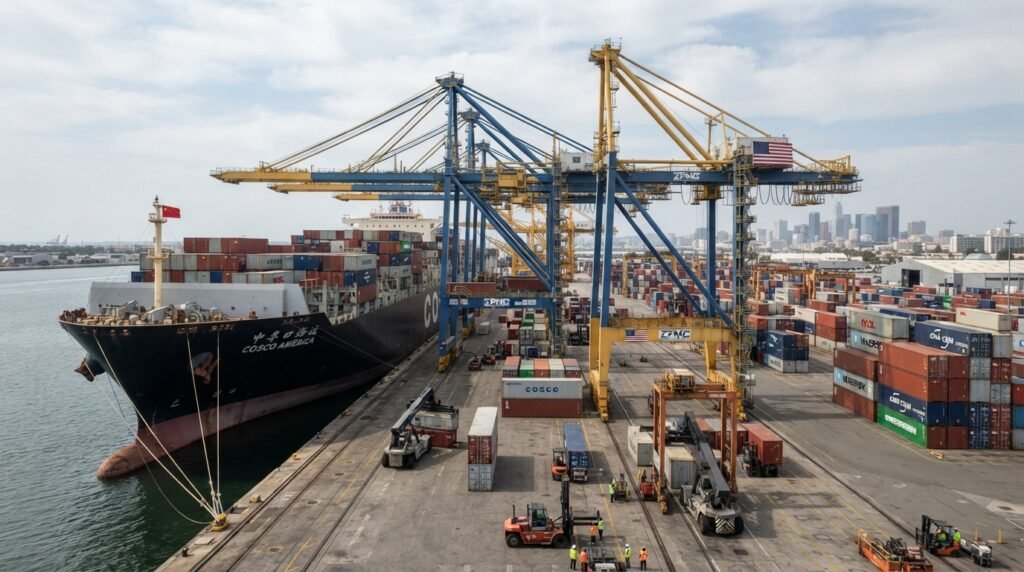
One of China’s most direct responses was to introduce additional tariffs on products imported from the United States.
On April 4, 2025, China announced an additional 34% tariff on American imports. The measure was scheduled to take effect on April 10, 2025.
This announcement followed the United States’ decision to introduce additional tariffs on Chinese exports.
As the dispute grew, China raised its additional tariff rate to 84% and then 125% in April 2025.
These were major steps in the trade dispute.
However, the situation later changed. Both countries agreed to reduce some of their additional tariffs during trade negotiations.
The original rates should not be treated as the current rates. Later agreements and changes in American trade policy altered the tariff arrangements.
Example 1:
An American company imports agricultural machinery from China. If an additional tariff applies to that product, the company may have to pay more before bringing it into the United States.
This shows how tariffs can increase the cost of importing products and affect businesses that depend on foreign suppliers.
2. China Targeted Important American Exports
China also used tariffs on products that American businesses sell to Chinese buyers.
Some important American exports include:
- Soybeans.
- Corn.
- Meat products.
- Agricultural equipment.
- Energy products.
- Industrial goods.
American farmers and agricultural companies can be affected when Chinese buyers face higher costs or turn to suppliers in other countries.
For example, if Chinese companies reduce their purchases of American soybeans, US farmers may need to find buyers in other markets.
This can affect prices, sales, and farm income.
Example 2:
A soybean farmer in the United States sells crops to companies that export agricultural products to China. If Chinese buyers choose cheaper suppliers from another country, the farmer may lose part of the expected market.
This explains why trade disputes can affect American workers and businesses far beyond the companies directly involved in importing goods.
3. China Introduced Export Restrictions
China has also used export controls as part of its response to trade tensions.
Export controls are rules that limit or regulate the sale of certain products to foreign countries.

Some important industrial materials and minerals are used in:
- Electric vehicles.
- Batteries.
- Electronics.
- Military equipment.
- Computer hardware.
- Advanced manufacturing.
Restrictions on these materials can affect companies that rely on Chinese suppliers.
For example, an American manufacturer may need special minerals to produce electronic components. If export rules make those materials harder to obtain, the company may face delays or higher costs.
However, export controls do not always mean a complete ban. Some products may still be exported after companies receive the required approval.
Example 3:
An American electronics manufacturer needs a controlled material from a Chinese supplier. New export rules may require additional paperwork and government approval before the shipment can leave China.
This can create delays and make supply planning harder for manufacturers.
4. China Investigated American Trade Policies
China also launched investigations into certain American trade practices.
In March 2026, China began investigations into US measures affecting trade and industrial supply chains.
The investigations focused on issues such as trade barriers and measures that could affect green products and international supply chains.
In September 2026, China extended two of these investigations until December 27, 2026.
These investigations were another way for China to challenge American trade policies without relying only on tariffs.
5. China Used Trade Negotiations
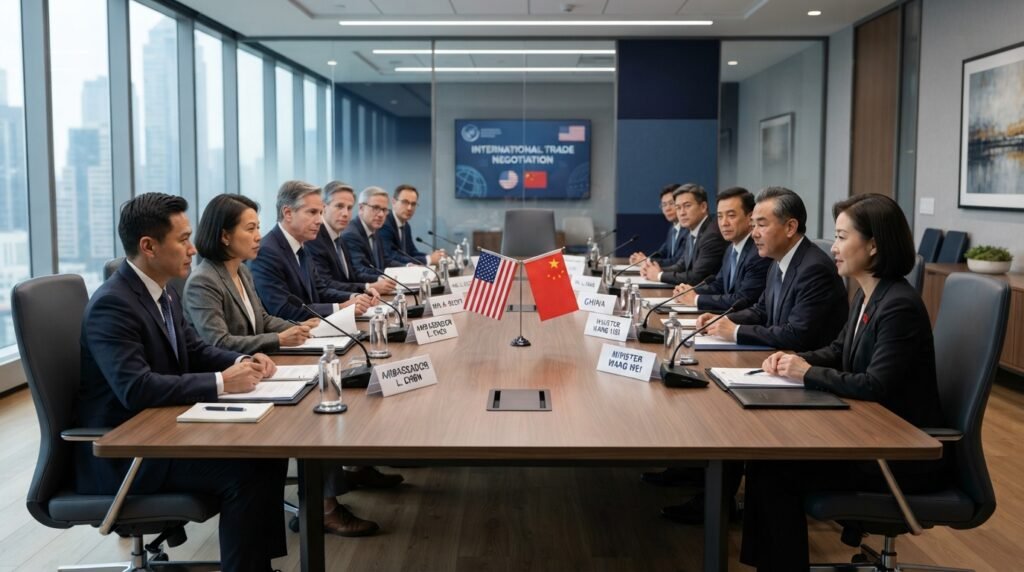
China has also taken part in several rounds of trade negotiations with the United States.
These discussions have focused on reducing tariffs, addressing trade concerns, and improving economic relations.
Both countries have recognized that a long trade dispute can hurt businesses and consumers.
Negotiations have therefore played an important role in limiting further economic damage.
Timeline of China’s Response to Trump Tariffs
The trade dispute developed through several major events. Here is a timeline of important developments from 2025 to 2026.
February 2025: Trump Introduced Additional Tariffs
The Trump administration introduced additional tariffs on Chinese imports.
China opposed the measures and announced its own trade responses.
This marked another major stage in the trade dispute between the two countries.
April 2025: China Announced a 34% Retaliatory Tariff
China announced an additional 34% tariff on American imports on April 4, 2025.
The measure was scheduled to begin on April 10.
It was a direct response to the additional American tariffs announced earlier that month.
April 2025: Tariff Rates Increased
As the trade dispute became more serious, both countries raised their tariff rates.
China increased its additional tariff on American imports from 34% to 84%, followed by a further increase to 125%.
This period became one of the most serious stages of the US-China tariff dispute.
May 2025: Both Countries Agreed to Reduce Tariffs
The United States and China reached an agreement in Geneva in May 2025.
China reduced its additional tariff rate from 125% to 10%, while suspending a further 24 percentage points for 90 days.
Both countries also agreed to reduce some of their trade restrictions.
This agreement helped lower tensions after weeks of sharp increases.
August 2025: Trade Truce Extended
The two countries continued trade discussions and extended the suspension of certain higher tariffs.
This gave businesses more time to adjust to changing trade rules.
October and November 2025: Another Trade Agreement
During trade talks in Kuala Lumpur in October 2025, the United States and China reached another set of agreements.
The United States agreed to suspend certain additional tariffs and reduce some duties.
China also agreed to adjust its countermeasures.
The arrangements were implemented from November 10, 2025, and included a one-year suspension of certain additional tariffs.
February 2026: Changes in American Tariff Policy
In February 2026, the US Supreme Court ruled against the use of the International Emergency Economic Powers Act (IEEPA) for certain tariffs.
The American government stopped collecting those IEEPA tariffs and introduced a new import surcharge under Section 122 of the Trade Act of 1974.
China said it opposed unilateral tariff measures and stated that it would assess the new American actions.
This changed the legal basis for some American tariffs and added another stage to the trade dispute.
September 2026: New Trade Agreement Developments
In September 2026, American and Chinese trade officials reached another positive understanding during their eighth round of economic and trade consultations.
The discussions included proposed tariff reductions on selected products.
These included American exports such as agricultural products, personal care products, medical devices, and coal, as well as Chinese exports such as toys, household appliances, baby products, and kitchen and bathroom goods.
The two sides also agreed to extend their joint trade arrangements through January 10, 2027, while continuing discussions.
This was a significant step toward reducing trade tensions.
What Products Did China Target With Retaliatory Tariffs?
China’s retaliatory tariffs affected several categories of American products.
Some of the major product groups involved in the trade dispute included:
Agricultural Products
American agricultural exports have been an important part of the dispute.
Products such as soybeans, corn, and meat have faced additional trade costs during different stages of the tariff conflict.
These measures can affect American farmers who depend on international buyers.
Energy Products
American energy products have also been affected by trade restrictions and tariff measures.
These include certain energy-related imports and industrial products.
Changes in trade costs can influence buying decisions and supplier relationships.
Industrial Goods
China’s trade measures have also affected selected American industrial products.
These products are used in factories, manufacturing plants, and other business operations.
Higher import costs can make it harder for American exporters to compete in the Chinese market.
Other Consumer and Business Products
Tariff negotiations have also covered household goods and other consumer products.
The September 2026 discussions included selected products such as kitchen goods, bathroom products, toys, and baby products.
The final tariff treatment depends on the product and the terms of the relevant agreement.
How Did China’s Response Affect the US Economy?
China’s response to Trump’s tariffs has affected several parts of the American economy.
The impact depends on the type of product, the business involved, and the length of the trade restrictions.
1. Higher Costs for American Businesses
American companies that import products from China may face higher costs when additional tariffs apply.
Businesses may have to:
- Pay more for imported goods.
- Find suppliers in other countries.
- Change their production plans.
- Increase the prices of certain products.
- Accept lower profit margins.
Small businesses can face extra pressure because they may have fewer suppliers and less money to absorb higher costs.
2. Pressure on American Farmers
Agricultural businesses can be affected when China reduces purchases of American products.
Farmers may have to sell their products to other countries or accept lower prices.
This can affect income in farming communities.
3. Supply Chain Problems
Many American businesses rely on international suppliers for parts, materials, and finished products.
Trade restrictions can make it harder to move these goods across borders.
A company may need to find a new supplier, change its production process, or wait longer for materials.
4. Possible Price Increases for Consumers
Tariffs can increase the cost of imported products.
Some businesses may pass part of that extra cost to customers.
This means American consumers could pay more for certain goods, depending on the product and the company selling it.
However, not every tariff leads to an immediate price increase. Businesses may absorb some costs or find other suppliers.
Example 4:
An American retailer imports kitchen appliances from China. If the cost of importing those appliances increases, the retailer may raise its selling price or accept a smaller profit.
This is one way trade disputes can affect ordinary shoppers.
How Did China’s Response Affect Chinese Businesses?
China has also faced economic challenges because of the tariff dispute.
American tariffs can make Chinese products more expensive in the US market.
This may reduce demand for some Chinese exports.
Chinese companies that depend heavily on American customers may face:
- Lower export sales.
- Higher trade costs.
- Pressure to find new buyers.
- Changes in manufacturing plans.
- Greater uncertainty about future trade rules.
Some companies may try to sell more products in other countries or build stronger relationships with local suppliers.
However, finding new customers and changing supply chains can take time.
The trade dispute has therefore created challenges for businesses on both sides.
Why Did China Choose Negotiations Instead of Only Retaliating?
China has used direct trade measures, but it has also continued negotiations with the United States.
There are several reasons for this approach.
Protecting Its Export Market
The United States is an important market for many Chinese businesses.
Long-term trade restrictions can reduce sales and create problems for manufacturers.
Negotiations can help keep some access to the American market.
Limiting Economic Damage
Higher tariffs can make products more expensive and reduce international trade.
Both countries have businesses that depend on trade with the other country.
Reducing tariff pressure can help limit the financial impact.
Keeping Supply Chains Stable
Many industries depend on products and materials from both countries.
Long trade disputes can interrupt these supply chains.
Negotiations can help businesses plan future production and shipments.
Protecting Long-Term Trade Relations
China and the United States are major economic partners.
Even when they disagree about trade policy, both countries have reasons to maintain communication.
Negotiations provide a way to address disagreements without allowing every dispute to turn into a larger economic conflict.
What Is the Current Status of the US-China Tariff Dispute in November 2026?
As of November 1, 2026, the United States and China are still working through their trade disagreements.
However, their relationship has moved beyond the sharp tariff increases seen in April 2025.
Several important developments have changed the situation.
1. Some Additional Tariffs Have Been Suspended
Both countries have agreed to suspend or adjust certain additional tariffs under earlier trade arrangements.
These changes do not mean that every tariff has been removed.
Other duties and trade restrictions may still apply.
2. The September 2026 Talks Produced New Agreements
The latest round of discussions included plans for targeted tariff reductions on selected American and Chinese products.
The two sides also discussed ways to improve trade and investment relations.
3. The Trade Arrangements Were Extended
The United States and China agreed to extend their joint arrangements through January 10, 2027.
This gives both countries more time to continue negotiations.
4. Trade Restrictions Remain an Issue
The two countries still have disagreements about trade practices, technology, industrial competition, and export controls.
A new agreement may reduce some tensions, but it does not solve every issue between them.
What Does This Mean for American Consumers?
American consumers should not assume that all Chinese products have become cheaper or that all tariffs have ended.
The final cost of an imported product depends on several factors:
- The product’s country of origin.
- Its tariff classification.
- The trade rules in effect.
- Any product-specific exemptions.
- Shipping and business costs.
For shoppers, the main point is that changes in US-China trade policy can affect prices and product availability over time.
What Could Happen Next in the US-China Trade War?
The next stage of the trade dispute will depend on whether both governments continue to follow their agreements.
Several possible developments may affect the relationship.
More Tariff Reductions
If negotiations continue successfully, both countries may reduce additional tariffs on selected products.
This could help businesses plan imports and exports with greater certainty.
New Trade Restrictions
If disagreements grow again, either country could introduce new trade restrictions.
These could affect selected industries, products, or businesses.
More Export Controls
Technology and industrial materials may remain important areas of disagreement.
New export rules could affect companies that depend on international suppliers.
Further Trade Negotiations
The extension through January 10, 2027, gives both countries time to discuss unresolved issues.
Future talks may focus on market access, tariffs, supply chains, and trade cooperation.
The direction of the relationship will depend on the decisions made by both governments.
Frequently Asked Questions About China’s Response to Trump Tariffs
Why did China retaliate against Trump’s tariffs?
China retaliated because it opposed additional American tariffs on Chinese products. It argued that these measures harmed Chinese businesses and disrupted international trade. Its response included tariffs, export restrictions, and other trade actions.
What tariffs did China place on American products in 2025?
China announced an additional 34% tariff on American imports in April 2025. It later increased the rate to 84% and then 125% as the trade dispute grew. Both countries later agreed to reduce or suspend certain additional tariffs.
Did China stop buying American products?
China did not stop buying all American products. However, trade tensions affected purchases of some American goods, including agricultural products. Buying decisions depended on prices, tariffs, supply needs, and other market conditions.
What American products were affected by China’s tariffs?
Products affected during different stages of the dispute included agricultural goods, energy products, and industrial goods. The exact products and tariff rates changed as both countries introduced new measures and reached agreements.
How did China’s tariffs affect American farmers?
Chinese tariffs and other trade measures made some American agricultural exports less competitive. Farmers who depended on Chinese buyers could face lower demand, changing prices, or the need to find new markets.
Did China use export controls against the United States?
Yes. China introduced export controls on selected materials and products during the trade dispute. These controls can require additional approval before certain goods are shipped to foreign buyers.
Are Trump tariffs on China still in effect in November 2026?
Some tariffs and trade restrictions remain, but the tariff system has changed several times. Certain additional tariffs have been suspended or adjusted, while other duties under different trade laws may still apply. The rate depends on the product and the specific trade measure.
Did the United States and China reach a trade agreement in 2026?
In September 2026, the two countries reached new understandings during their eighth round of economic and trade consultations. They agreed to continue discussing selected tariff reductions and extended their joint trade arrangements through January 10, 2027.
Will China introduce more retaliatory tariffs?
It is possible, but future actions will depend on American trade policy and the outcome of negotiations. China has said it will assess American measures and protect its trade interests.
Will the US-China trade war increase prices in America?
It can increase prices for certain products if import costs rise and businesses pass those costs to customers. However, the effect depends on the product, supplier, tariff rate, and availability of alternatives.
Conclusion
China’s response to Trump’s tariffs has included retaliatory duties, export controls, trade investigations, and negotiations. These actions have affected American farmers, manufacturers, exporters, importers, and consumers.
The trade dispute became especially serious in April 2025, when both countries raised tariffs to very high levels. However, later negotiations helped reduce some of the additional duties.
By November 2026, the United States and China had reached new trade arrangements and extended their discussions through January 10, 2027.
The dispute is still not fully resolved. Businesses and consumers should continue to watch changes in tariff rules, trade agreements, and export restrictions because these decisions can affect product costs and international trade.

Emily Carter (Content Writer & Communication Specialist) is a content writer and communication specialist at AllTypeInfo.com. She writes clear, practical, and easy-to-follow guides on email responses, message replies, writing templates, and everyday communication tips. Her goal is to help readers communicate with confidence in both personal and professional settings.